The short answer
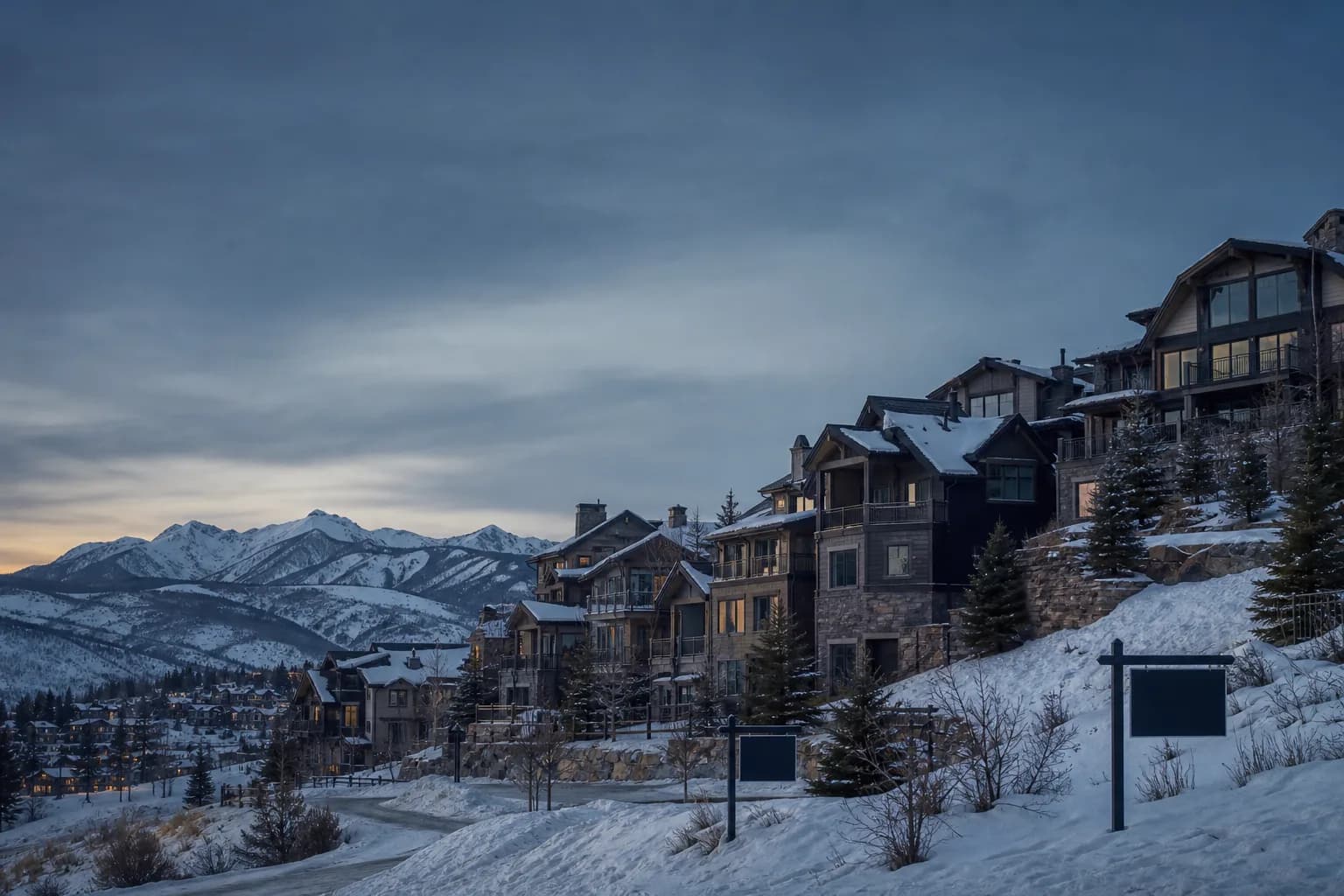
A recent analysis from YouTube channel TD World Canvas identifies ten Colorado mountain towns where second-home and resort real estate has pulled back sharply in 2026, with claimed price declines ranging from 18% in Winter Park to 32% in Silverthorne. The channel attributes the slide to four forces stacking on top of each other: new short-term rental restrictions, insurance premiums that have jumped as much as 80% in two years, property tax reassessments, and the unwinding of the pandemic-era rush of remote workers into the high country. In the luxury tier — Aspen, Vail, Telluride — a fifth factor shows up: owners liquidating vacation homes to cover losses elsewhere in their portfolios.
These are one creator's figures, sourced from county assessors, regional MLS boards, and consumer platforms like Redfin, Zillow and AirDNA, and none of the specific reports cited were independently verified for this article. Readers should treat the exact percentages as illustrative of a broader trend rather than audited fact. That broader trend — resort towns cooling faster than the national market — is consistent with what public data on second-home lending and seasonal rental demand has shown since interest rates rose.
Why mountain towns are correcting faster than the rest of the market
Colorado's high-country housing boom of 2020-2022 was built on three assumptions: remote workers would keep buying, tourists would keep booking nightly rentals at record rates, and mortgage rates would stay low enough to make the math work. TD World Canvas argues all three assumptions have broken down more or less simultaneously.
The channel's core thesis is that mountain real estate carries risks that flatland suburban housing doesn't:
- Regulatory risk. Several towns — Steamboat Springs, Breckenridge, Telluride, Winter Park — have passed new caps, taxes or licensing rules on short-term rentals in response to local housing shortages for service workers. TD World Canvas says these changes hit owners' cash flow "overnight."
- Insurance risk. Wildfire remapping by insurers has pushed premiums up sharply in valleys like the Arkansas River corridor around Salida, which the video says rose 80% in two years according to the Colorado Division of Insurance.
- Carrying-cost risk. High-elevation homes cost more to heat, insure and maintain, and skilled labor for repairs is scarce and expensive.
- Liquidity risk. Mountain listings can sit for months — the video cites 210 days in Vail and 240 days in Telluride, per Redfin and Zillow data — meaning owners can't quickly exit if their finances change.
None of this is unique to 2026. What changed, per the video, is that several of these pressures hit at the same time, right as mortgage rates near 7-8% made carrying an underused second home much more expensive. For broader context on how elevated rates are reshaping housing nationally, see our coverage of the mortgage origination slump heading into 2027.
The ten towns, ranked by claimed price decline
Below is how TD World Canvas ranks the ten towns, from smallest to largest reported decline. Dollar figures represent the video's stated average loss in home value or transaction price, not appraised or audited totals.
| Rank | Town | County | Claimed price decline | Cited average equity loss | Primary driver named |
|---|---|---|---|---|---|
| 10 | Winter Park | Grand | 18% | ~$180,000 | Condo oversupply + STR restrictions |
| 9 | Salida | Chaffee | 19% | ~$165,000 | Remote-work reversal, insurance spike |
| 8 | Crested Butte | Gunnison | 21% | ~$380,000 | Isolation, high carrying costs |
| 7 | Steamboat Springs | Routt | 22% | ~$300,000 | New 9% short-term rental tax |
| 6 | Pagosa Springs | Archuleta | 24% | ~$125,000 | Deferred maintenance, labor shortage |
| 5 | Vail | Eagle | 25% | ~$1,200,000 | Stock-market-linked liquidations |
| 4 | Breckenridge | Summit | 26% | ~$250,000 | Anti-investor rental legislation |
| 3 | Telluride | San Miguel | 27% | ~$800,000 | STR license crackdown, tax reassessment |
| 2 | Aspen | Pitkin | 29% | ~$2,000,000+ | Local labor collapse, building code limits |
| 1 | Silverthorne | Summit | 32% | ~$320,000 | Oversupply of new townhomes near I-70 |
A pattern is visible across the list: towns that leaned hardest on short-term rental income as the backbone of local investment demand — Silverthorne, Breckenridge, Telluride, Steamboat Springs — show some of the largest reported declines once that income stream was regulated or dried up.
The luxury tier is a different animal
Aspen, Vail and Telluride show up near the top of the list, but TD World Canvas frames their problems differently from the workhorse ski towns further down. In Aspen, the video's argument is that the service economy that supports ultra-luxury real estate — restaurants, ski staff, retail — has been hollowed out by workforce housing shortages, making the town's amenities harder to sustain even for buyers who can easily afford a multimillion-dollar chalet. In Vail, the claim is that executives and high-net-worth owners are selling vacation properties to cover losses or raise cash elsewhere in their portfolios, a dynamic more tied to broader market conditions than to local rental policy.
This matters for how seriously to take the luxury-tier numbers. A $1.2 million "average loss per transaction" in Vail, as the video states citing the Vail Board of Realtors, reflects a market where a handful of very large sales can swing the average significantly — a different statistical animal than a median-priced condo in Winter Park losing $180,000. Readers should treat luxury-market percentage moves as more volatile and less representative than starter-home or workforce-housing price trends.
What's missing from this picture
TD World Canvas's video is framed as a warning to prospective buyers and current owners, and its tone is deliberately cautionary — it repeatedly tells viewers to "wait for the bottom" or avoid the market entirely. That framing is worth balancing against a few points the video doesn't address:
- Percentage declines from a very high base can still leave prices above pre-pandemic levels. A 20-30% pullback after a 60-100% pandemic-era run-up (which several of these towns experienced) may simply be a partial reversion, not a market in freefall.
- Single-source county or MLS figures can be noisy in thin markets. Mountain towns often see only a handful of luxury sales per month, so month-to-month or even year-to-year percentage changes can be exaggerated by a small number of transactions.
- Not every town is affected equally. The video itself notes that towns with more diversified, non-seasonal economies (health services, education, year-round outdoor recreation) tend to hold value better than those built almost entirely around ski-season tourism.
- Some of the regulatory pressure is intentional policy, not market failure. Short-term rental caps in towns like Steamboat Springs and Breckenridge exist because of well-documented workforce housing shortages — the goal is to convert investment inventory into housing for the people who work locally, which is a policy trade-off, not simply a market breakdown.
For readers tracking whether these localized corrections point to something bigger, our broader look at the 2026 housing market recession debate is a useful companion read — resort-town softness doesn't necessarily mean the same forces are hitting suburban or urban markets.
What this means for you
If you own a mountain property. Reassess your break-even math without assuming peak-season short-term rental income. If your town has passed or is discussing new rental caps or taxes, model your cash flow as a long-term, 12-month rental or as owner-occupied — if the numbers don't work under that scenario, you're carrying more regulatory risk than the purchase price suggested.
If you're shopping for a second home. Ask directly about local short-term rental licensing status, HOA dues trends, and recent insurance premium history before making an offer — not after closing. Build in a cash buffer for at least a few years of carrying costs, since mountain listings can sit unsold for months if your circumstances change and you need to exit quickly.
If you're selling. Expect longer marketing times than in flatland suburban markets, and be realistic about comparable sales from 2021-2022 — those prices reflected pandemic-era demand levels that several of these markets have not sustained.
If you're an investor evaluating any resort market, it's worth remembering that regulatory risk isn't unique to Colorado. Our coverage of Arizona's water-driven construction limits and the incoming Wall Street homebuying restrictions both illustrate how policy shifts, not just interest rates, can reset local housing math with little warning.
What to watch next
Keep an eye on foreclosure filings in Summit, Eagle and Pitkin counties over the next two to three quarters — TD World Canvas predicts a wave of distressed sales in towns like Crested Butte and Silverthorne as over-leveraged owners run out of cash reserves. Also watch whether more Colorado mountain municipalities follow Steamboat Springs and Breckenridge in passing new short-term rental taxes or caps; each new rule tends to trigger another round of investor listings. Finally, mortgage rate movements matter disproportionately here: because many of these are second-home purchases without owner-occupant financing perks, even modest rate drops or increases can swing affordability more than in primary-residence markets.