Which Florida towns have the deepest builder price cuts right now?
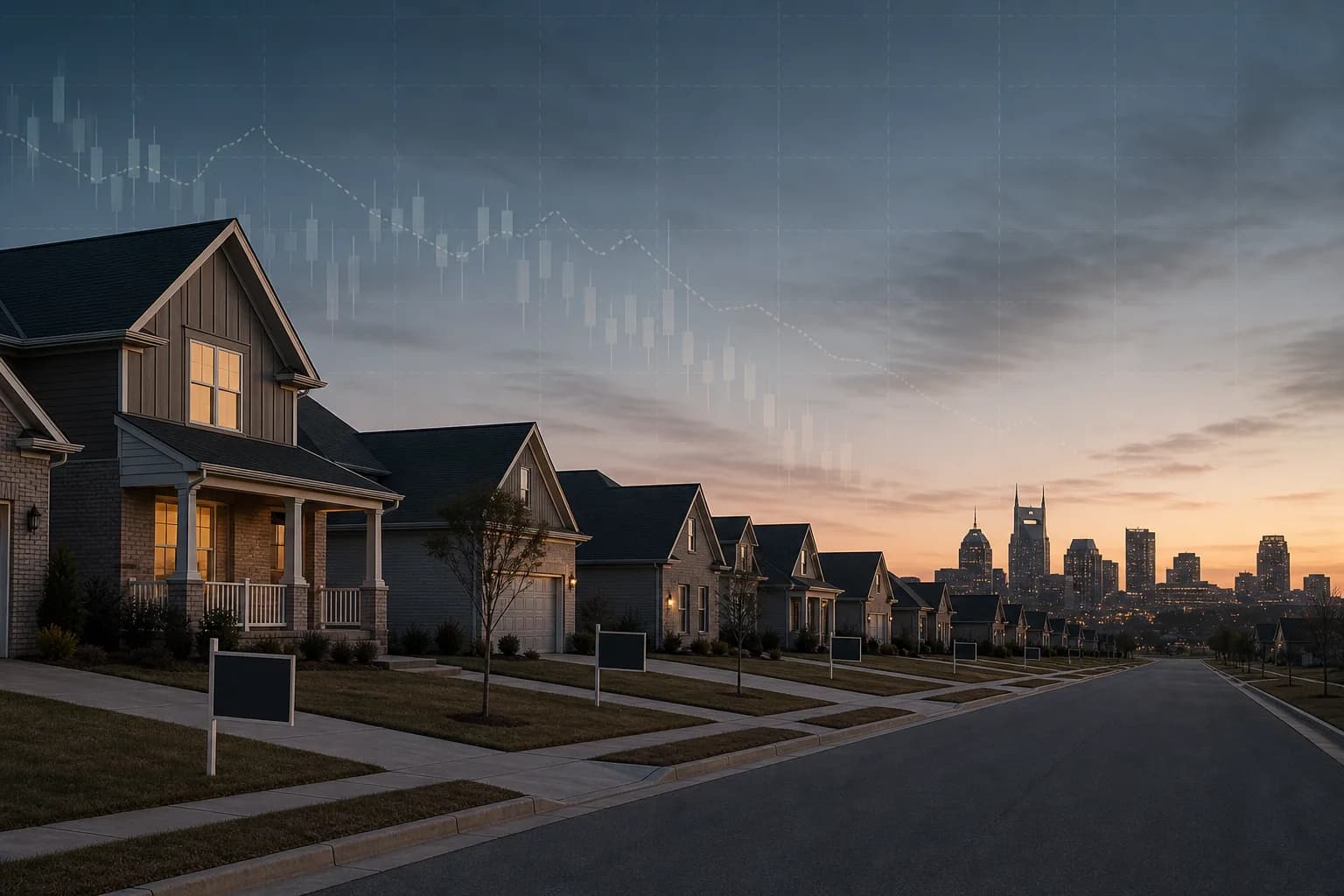
If you're shopping new construction in Florida this fall, the honest answer is: it depends on which corridor you're in, but the cuts are real and they're concentrated in specific overbuilt pockets. According to a September 2026 ranking from YouTube channel FloridaPulse, the steepest builder incentives are showing up in Port Charlotte, Fort Myers, Tampa's Pasco and eastern Hillsborough exurbs, Sarasota's inland phases, and Ocala — markets that leaned hardest on pandemic-era migration demand that has since slowed.
The bigger story isn't any single town. It's that new construction, which almost always carries a price premium over a comparable existing home, has stopped doing that in parts of Florida. FloridaPulse cites federal housing data showing the median new-construction price has run below the median existing-home price for five straight months, with the gap exceeding $40,000. That's an unusual signal, and it matters for anyone buying, selling, or owning a home in these markets.
Why builders cut prices when resale sellers don't
Individual homeowners selling a resale house can simply pull the listing and wait for a better market. Builders generally can't. As FloridaPulse puts it, builders are carrying "loans on the land, loans on the lots, and finished homes bleeding carrying costs every month." Every quarter that a finished spec home sits unsold is visible to the builder's lender, which creates pressure to move inventory that an individual seller doesn't face.
That structural difference explains why builder discounts, when they come, tend to be larger and faster than resale price cuts. It also explains why builders prefer incentives — rate buydowns, closing-cost credits, free upgrades — over cutting the sticker price outright. A published price cut is a public signal of weakness; a "limited-time" incentive reads as marketing. FloridaPulse calls this distinction the difference between the list price and the "effective price" — the base price minus every credit applied at closing — and argues that's the only number worth comparing across builders and against resale comps.
This pattern echoes broader concerns raised in 12 Florida Cities Where Home Prices Are Falling Fastest in 2026, where resale price softness is already showing up in several of the same metro areas.
The 10 towns, ranked
FloridaPulse's countdown, based on effective pricing rather than list prices, ranked these Florida markets from least to most aggressive on new-construction discounting:
| Rank | Town/Area | Reported incentive signal |
|---|---|---|
| 10 | Cape Coral | Finished spec homes discounted roughly $30,000 as a "design center bonus" |
| 9 | Port St. Lucie | Base price cuts, lender credits, and a 2.25% rate buydown for two years |
| 8 | Lakeland | Rate buydowns embedded in most new-home contracts in growth zip codes |
| 7 | Punta Gorda | Closing-cost packages and a builder buyback guarantee for retirees |
| 6 | Jacksonville's outer ring | Deepest cuts on 4-5 bedroom homes; moderated by a stronger local job base |
| 5 | Ocala | Five-figure base price cuts on already-low-priced starter homes |
| 4 | Sarasota's inland phases | "Model home closeout" pricing in nominally sold-out communities |
| 3 | Tampa's exurbs (Pasco, E. Hillsborough) | $40,000-$50,000 off base price on larger floor plans |
| 2 | Fort Myers | Insurance-premium credits sized to the first year's policy |
| 1 | Port Charlotte | Full "four-sided" package: price cut, rate buydown, closing costs, and upgrades |
These figures come directly from FloridaPulse's reporting and reflect the creator's characterization of local listings and incentive language; they are not independently verified sales-price statistics.
The oversupply thread running through the list
A common mechanism links most of these towns: they were built out for a wave of remote-work and retiree migration into Florida that has since cooled. Builders who acquired land and platted lots during the 2021-2023 surge are now delivering finished inventory into markets absorbing homes more slowly than projected.
Cape Coral, according to FloridaPulse, has more new-construction inventory than any market in the state, a legacy of its historically large platted grid. Port Charlotte, ranked number one, is described as having the heaviest new-construction inventory per household in Florida combined with the thinnest local demand base. Ocala's demand, the video argues, was almost entirely imported — retirees and investors priced out of coastal metros — leaving little local wage base to absorb inventory once that inflow slowed.
Jacksonville's outer ring stands out as a partial exception. FloridaPulse notes the area carries some of the highest months-of-supply in new construction in north Florida, yet ranks lower on the list because the region's port, banking, and logistics job base gives it more capacity to eventually absorb discounted inventory — the difference, in the creator's words, between a temporary correction and a broader clearance.
This oversupply dynamic is consistent with themes covered in Why Are People Leaving Florida? The 2026 Housing Data Explained and in national coverage of aging-owner inventory in Freddie Mac's Silver Tsunami Warning, both of which point to slower net migration and looser supply-demand balance in Sun Belt markets.
How rate buydowns quietly undercut resale sellers
One of the more useful mechanics FloridaPulse walks through involves interest-rate buydowns rather than sticker-price cuts. A builder can sell a home at close to full asking price but subsidize the buyer's mortgage rate for two years, producing a materially lower monthly payment than a resale home at a market rate — without ever appearing to have cut the price in public records.
The math used in the video is illustrative, not a universal formula: a roughly $280,000 home financed near 6.5% can carry a similar monthly payment to a $240,000 home financed near 3%, meaning a builder's buydown can functionally undercut a resale seller by tens of thousands of dollars in perceived value. Actual payment comparisons depend on loan terms, taxes, insurance and HOA costs, and should be run individually — a mortgage calculator or a loan officer's amortization estimate is the reliable way to check this, not back-of-envelope math.
The catch is durability. Most builder rate buydowns run two to three years before reverting to a market rate, so buyers need to know what their payment looks like after the subsidy ends, not just at closing.
Fort Myers: when discounts meet insurance costs
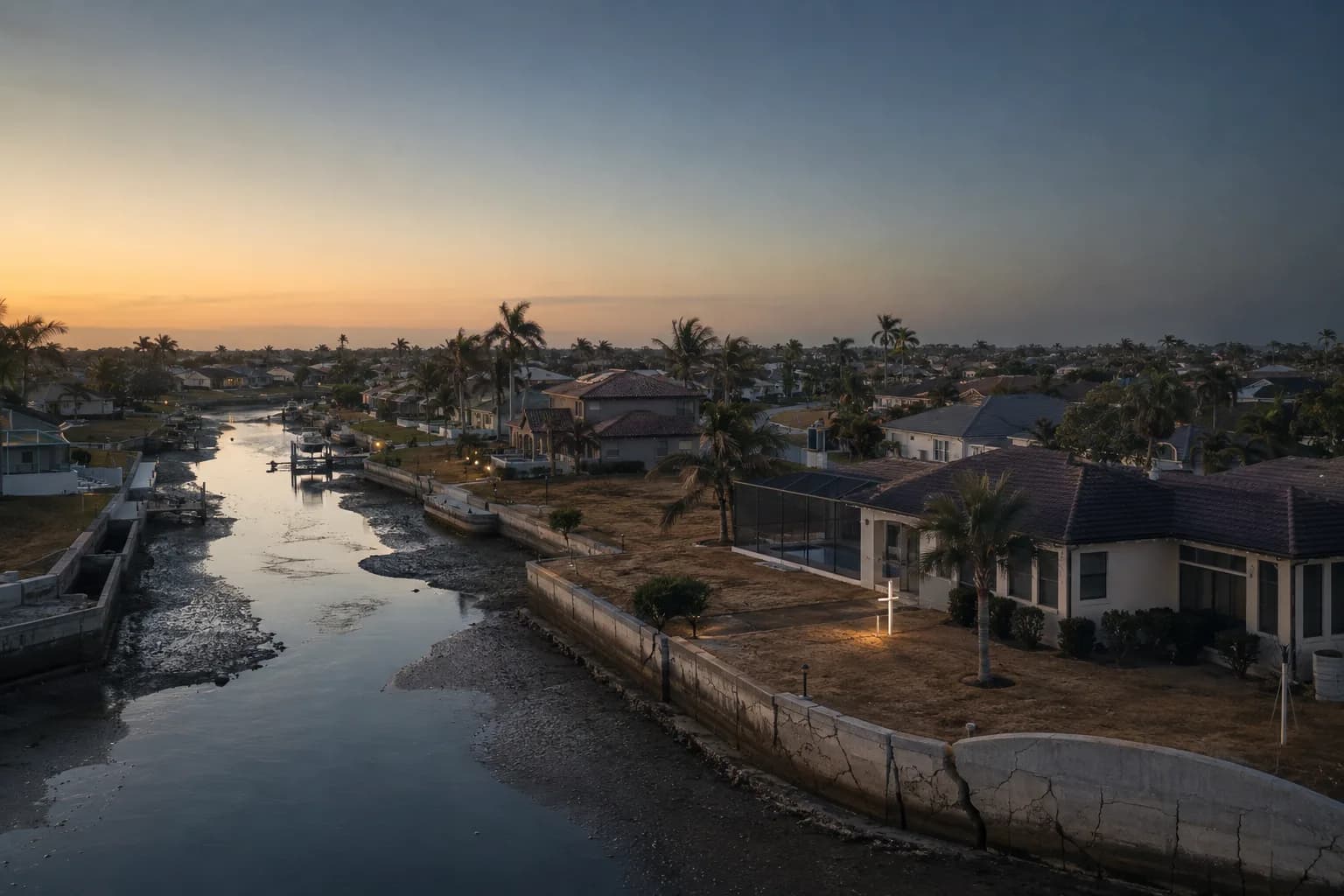
Fort Myers presents a distinct case. Its post-storm new construction is built to updated elevation and wind codes with new roofs and impact glass — generally lower insurance risk than older resale stock in the same area. Yet FloridaPulse reports builders there are still discounting, using credits sized to cover a buyer's first-year insurance premium. That signals property insurance costs in Southwest Florida have risen enough that even newer, code-compliant construction needs a subsidy to pencil out on a monthly payment basis for many buyers.
Where this view has limits
FloridaPulse's ranking is built from listing observations and incentive language rather than a standardized, published dataset, so treat the town-by-town order as directional reporting, not an audited statistic. "Effective price" comparisons are also hard to standardize across builders, since incentive packages vary by buyer and change week to week.
It's also worth noting that discounting in overbuilt exurbs doesn't necessarily describe Florida's new-home market as a whole. Coastal and infill submarkets with limited buildable land, referenced in the video as holding up better, may behave very differently than the inland and retirement-driven towns that dominate this list. National context from the Census Bureau's New Residential Sales data and NAR's existing-home sales reports is useful for checking whether a local trend is part of a broader pattern or a Florida-specific one.
What this means for you
If you're buying new construction: Ask the builder for the effective price — base price minus every credit — and compare that, plus the post-buydown payment, against resale comps on the same street. A rate buydown that resets in two years should be judged against your ability to refinance or absorb the higher payment later.
If you're selling a resale home nearby: A builder actively discounting new inventory a few blocks away is effectively setting a new market price for your listing, even if your comps haven't caught up yet. Pricing conservatively and factoring in buyer-side incentives (like covering some closing costs) may keep your listing competitive.
If you already own in one of these towns: The value of your home is tied to what a comparable new build costs to finance today, not just its list price. Watch builder incentive stacks in your immediate area as a leading indicator of where resale prices may be headed, similar to dynamics described in Nashville Price Cuts Hit New Highs.
For investors: Heavier new-construction supply plus slower migration into inland and retirement-driven Florida markets raises the risk of holding periods extending longer than planned, particularly for single-family rental strategies dependent on rapid appreciation.
What to watch next
Keep an eye on Census Bureau new-home sales and months-of-supply data for Florida metros, Freddie Mac's Primary Mortgage Market Survey for where rates are heading, and local builder earnings calls, since publicly traded builders disclose incentive spending on a quarterly basis. FloridaPulse indicated a follow-up video is planned specifically on Florida towns where resale prices are falling faster than builders can cut, which would be a useful companion data point once available.